Service hotline:+86-13832482666 / +86-18603143456 / +86-314-6088888


The uses of wood vinegar.
Release time:
2021-08-12 10:48
Author:
Wood vinegar is a natural plant material extracted using advanced biochemical technology. Its main components are acetic acid, phenolic compounds, and water, with organic matter content of acetic acid accounting for more than 10%. This product has strong bactericidal and antibacterial functions at high concentrations; at low concentrations, it can inhibit the reproduction of miscellaneous bacteria, providing antibacterial and insect-repelling effects. Wood vinegar can neutralize nitrogen and sulfur compounds and be used as a deodorant; due to its many phenolic substances, it can kill bacteria and disinfect, serving as a disinfectant and insect repellent.
Wood vinegar has a wide range of applications, enhancing the vitality of crop roots and leaves, reducing fruit acidity, and extending fruit storage time; it can prevent and control certain pests and diseases on soil and leaves, promoting the reproduction of beneficial microorganisms in the soil; it accelerates the fermentation speed of compost. In developed countries, organic agriculture cultivation has been widely utilized.
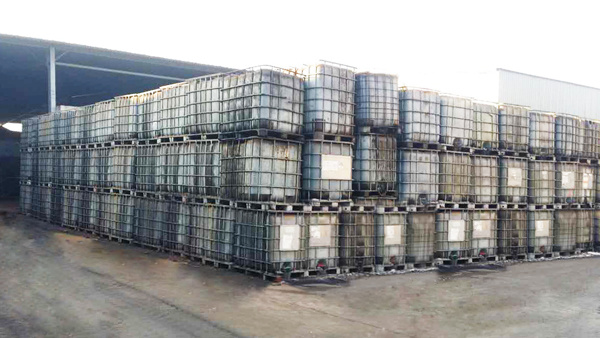
Uses of wood vinegar
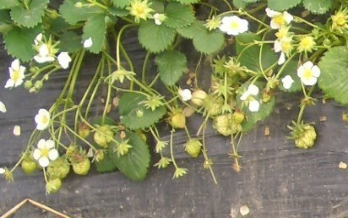
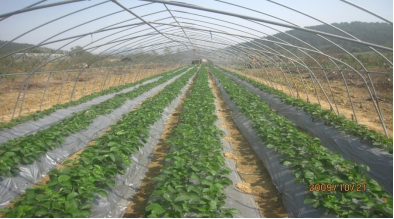
1. Soil improvement: Spraying wood vinegar on the soil can prevent seed damping-off disease and can also be used as a soil disinfectant. Applying wood vinegar to the soil can effectively inhibit the reproduction of microorganisms that hinder plant growth and can kill pests such as root-knot nematodes. Organic strawberry cultivation test fields have used biomass extract (100-300 times) for three consecutive years to control strawberry aphids and gray mold, effectively managing the damage without affecting pollination by bees in the greenhouse.
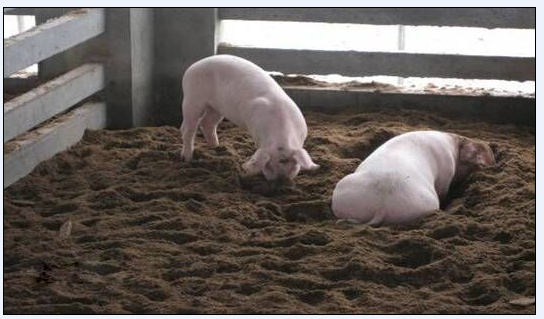
2. Deodorization: Wood vinegar can be used for treating toilet waste, livestock barns, and the foul odors emitted from fresh goods in fish markets. Spraying wood vinegar in places with unpleasant odors, such as bathrooms, can eliminate the smell and keep the air fresh, lasting for 3-5 days with one spray. In summer, it can also be used as a perfume to eliminate body odor from sweat and provide a cooling effect.

3. Liquid smoking products: Ham and sausages soaked in clarified wood vinegar and then smoked are less likely to attract insects and taste better.
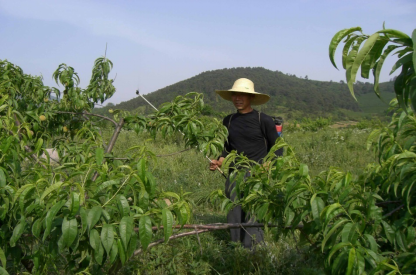
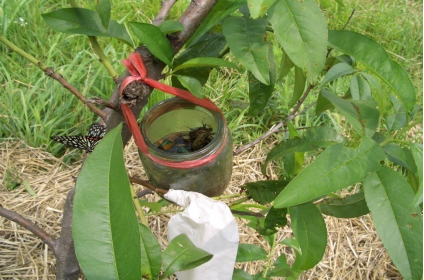
4. Plant growth regulator: Wood vinegar can promote the growth of vegetables, fruit trees, flowers, rice, lawns, and other plants. Additionally, wood vinegar can be used to make fertilizers, inhibit weed growth, reduce pesticide usage, and serve as an insect repellent.
5. Food preservation: Wood vinegar is commonly used in the food industry for its antifungal, antibacterial, and antioxidant properties.
6. Beverage additive: Refined wood vinegar, which removes harmful substances such as methanol and formaldehyde, can be used as a health drink additive.
7. Feed additive: Wood vinegar can be used as a feed additive to improve the meat quality of livestock and farmed fish, enhance the quality of fish eggs, and increase nutrition.
Key words:
Related News