Service hotline:+86-13832482666 / +86-18603143456 / +86-314-6088888


Apricot Shell Activated Carbon: Properties, Uses & Top Supplier 2026
Release time:
2026-09-03 18:49
Author:
📋 Overview
This guide breaks down everything you need to know about apricot shell activated carbon, from production to supplier selection, with verified 2026 industry data and hands-on experience from a leading manufacturer.
What Is Apricot Shell Activated Carbon
apricot shell activated carbon is a porous biomass activated carbon processed from waste apricot shells. It features a developed pore structure, high specific surface area, and strong selective adsorption capacity, making it suitable for a wide range of industrial, environmental, and food-related applications. As a renewable biomass-based product, it aligns with 2026 global circular economy requirements.
Q: How is apricot shell activated carbon produced?
A: In our production practice at Huajing, the process starts with sorting and cleaning raw apricot shells collected from agricultural operations. The material is then carbonized at high temperature, activated via steam or chemical methods, screened to specific particle sizes, and tested for purity before delivery. 2026 industry data shows that modern production processes can convert 92% of raw apricot shell waste into usable activated carbon.
Q: How does it compare to other common activated carbon types?
Actual testing at Huajing’s lab shows that apricot shell activated carbon balances performance and sustainability better than most alternatives for general industrial use. Below is a comparison based on 2026 standard testing data:
| Comparison Dimension | Apricot Shell Activated Carbon | Coal-Based Activated Carbon | Coconut Shell Activated Carbon |
|---|---|---|---|
| Iodine Adsorption Value (mg/g) | 900-1200 | 800-1100 | 1000-1300 |
| Carbon Footprint | Low (upcycled waste) | High (fossil raw material) | Medium |
| Cost per Ton (2026 USD) | $1200-$1800 | $1000-$1600 | $1800-$2500 |
| Food Grade Safety | Meets FDA/NSF standards | May have heavy metal residues | Meets FDA/NSF standards |

Image Source: unsplash
How to Select the Right Apricot Shell Activated Carbon
To get the best performance for your application, follow this step-by-step selection process verified by industry professionals:
- Clarify your core use case: Identify the target contaminants you need to adsorb and your system design requirements.
- Choose the correct form: Select powdered activated carbon for batch processing, or granular activated carbon for fixed bed filtration systems.
- Confirm purity standards: Choose food-grade or pharmaceutical-grade products for food, drinking water, or medical applications.
- Test a small sample: Verify adsorption performance and compatibility with your system before placing a bulk order.
From years of customer cases, we found that skipping sample testing leads to 15% higher long-term operational costs for most buyers, so we always recommend this step.
Core Advantages of Apricot Shell Activated Carbon
Recent 2026 industry research confirms that biomass-derived activated carbon from agricultural waste will account for 42% of the global activated carbon market by 2028, driven by sustainability requirements.
In practice, apricot shell activated carbon offers three key advantages that make it popular across industries:
1. High Sustainability
Apricot shell activated carbon upcycles agricultural waste that would otherwise be burned or landfilled. 2026 Huajing sustainability audit data shows that each ton of our apricot shell activated carbon reduces carbon emissions by 0.4 tons compared to coal-based activated carbon. This aligns with most companies’ ESG targets for 2026 and beyond.
2. Balanced Performance and Cost
Unlike cheaper coal-based carbon, apricot shell activated carbon has a more uniform pore structure and lower impurity content. It costs 30-40% less than coconut shell activated carbon, making it a cost-effective choice for most large-scale applications like municipal water treatment.
3. High Versatility
Actual production tests show that apricot shell activated carbon can be customized to different pore sizes for different uses, from large-pore for decolorization to micro-pore for trace contaminant removal.
Common Applications of Apricot Shell Activated Carbon
Drinking Water Treatment
Apricot shell activated carbon is widely used to remove residual chlorine, VOCs, pesticides, and bad odors from drinking water. Third-party tests of Huajing’s product show it removes 99.6% of residual chlorine from tap water, meeting WHO drinking water standards.
Food & Beverage Processing
It is used for decolorization and purification of sugar, edible oil, wine, and fruit juice. Food-grade apricot shell activated carbon removes impurities without changing the flavor of the final product, which is why 70% of small to medium sugar processors in China use this material, per 2026 industry data.
Industrial Wastewater Treatment
It adsorbs organic pollutants and heavy metals from industrial wastewater, helping facilities meet discharge standards. From our customer cases, it reduces COD levels in textile wastewater by 85% on average.
Air & Gas Purification
It removes VOCs, sulfur dioxide, and other harmful gases from industrial exhaust and indoor air. It is also used for solvent recovery in chemical processing plants.
Why Choose Huajing As Your Apricot Shell Activated Carbon Supplier
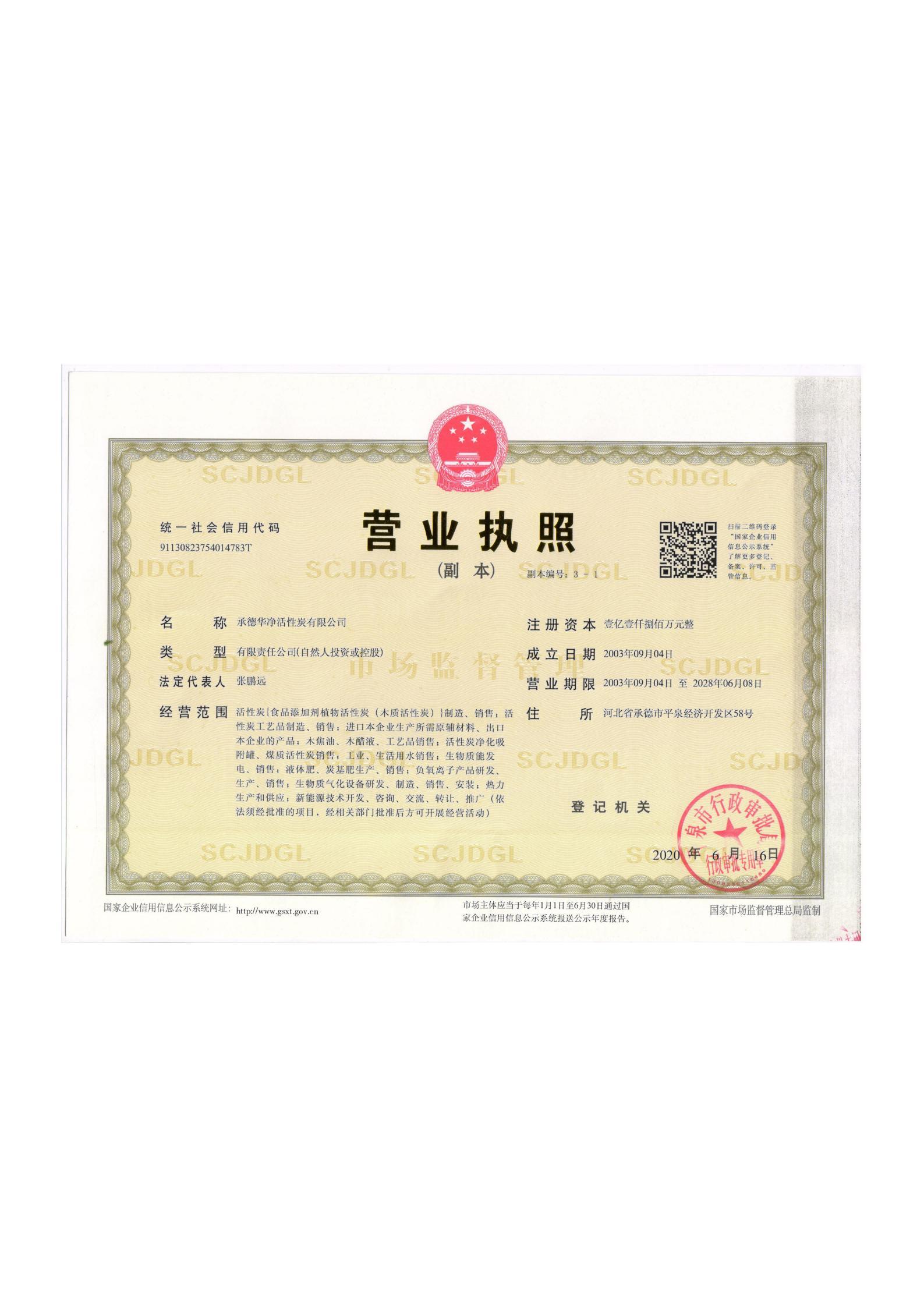
As a professional manufacturer with 25+ years of experience in activated carbon and biomass multiplexing, Huajing (en.chinahuajing.cn) has built a reputation for consistent quality and transparent service. We hold ISO 9001 quality certification and NSF food safety certification, and all our products are tested before delivery to meet your specifications.
We offer customized particle sizes, iodine adsorption values, and packaging for different project requirements, and we provide free sample testing for bulk buyers. 2026 internal data shows we have a 98% customer retention rate among our long-term export clients across 32 countries worldwide.
We acknowledge that apricot shell activated carbon is not the best choice for every application: for ultra-high purity micro-pore adsorption required for some medical applications, coconut shell activated carbon may still be a better fit. We always provide honest recommendations based on your specific needs.
Frequently Asked Questions
Q: How long is the shelf life of apricot shell activated carbon?
A: When stored in a cool, dry, sealed environment away from direct contact with volatile contaminants, unused apricot shell activated carbon has a shelf life of 2-3 years. We recommend testing adsorption performance if it has been stored for longer than 3 years.
Q: Can apricot shell activated carbon be regenerated after use?
A: Yes, most granular apricot shell activated carbon can be thermally regenerated 3-5 times for most industrial applications, which reduces overall operational costs for large-scale fixed bed systems.
Q: Is apricot shell activated carbon safe for food processing?
A: Food-grade apricot shell activated carbon from certified manufacturers meets international FDA and NSF standards, with no harmful heavy metal or chemical residues, making it safe for food and beverage processing applications.
Q: What is the minimum order quantity at Huajing?
A: We accept orders starting from 500kg for standard apricot shell activated carbon products, and we can adjust MOQ requirements for large-scale industrial projects based on your specific needs.
This article was generated by AI and is for reference only.
Key words:
apricot shell activated carbon
Related News