Service hotline:+86-13832482666 / +86-18603143456 / +86-314-6088888


What Is Activated Carbon: Uses, Benefits, Types & 2026 Complete Guide
Release time:
2026-09-07 09:48
Author:
📋 Overview
This guide breaks down all critical information about activated carbon for 2026 buyers and industry professionals, with data-backed insights from our manufacturing and testing experience at Huajing.
What Is Activated Carbon? Core Definition & How It Works
Activated carbon is a porous carbonaceous material with extremely high internal surface area used for contaminant adsorption. Activated carbon is produced from organic source materials like coconut shell, wood, coal, and sustainably sourced biomass, processed at high temperatures to create a network of tiny pores that trap impurity molecules. In practice, 1 gram of high-quality activated carbon can have an internal surface area of over 1000 square meters, making it highly effective for a wide range of purification processes.
Q: How does activated carbon differ from regular carbon?
A: The key difference is the pore structure and accessible surface area. Regular carbon does not have the extensive porous network that activated carbon has, so it has almost no functional adsorption capacity. Actual testing from Huajing’s R&D lab shows that premium activated carbon has 100x more adsorption capacity than non-activated carbon for most common organic contaminants.
Common Types of Activated Carbon & Their Key Applications
Activated carbon is categorized by source material and physical form, with each variant designed for specific use cases to deliver optimal performance. Below we break down the most widely used types and their ideal applications.
Q: Which type of activated carbon is best for drinking water purification?
A: For most municipal, commercial, and residential drinking water purification, coconut shell activated carbon is the top choice in 2026. It has a high concentration of micro-pores that effectively trap small organic molecules and chlorine, and it meets all international drinking water safety standards. From our client cases, coconut shell activated carbon has a 15% higher average contaminant removal rate than coal-based activated carbon for drinking water treatment.
Q: Can activated carbon remove all contaminants from air or water?
A: No, activated carbon cannot remove all contaminants. It is most effective for organic compounds, chlorine, volatile organic compounds (VOCs), and bad odors, but it does not effectively remove inorganic contaminants like heavy metals, nitrates, or dissolved minerals. Industry consensus confirms that activated carbon is often used alongside other filtration technologies to achieve full purification, which is an important limitation to note for project planning.
When selecting the right activated carbon for your project, follow these 3 core steps to ensure optimal performance:
- Identify the specific target contaminants you need to remove, as this determines the required pore size distribution of your activated carbon.
- Test the compatibility of the physical form (granular vs powdered vs extruded) with your existing filtration system to avoid unexpected pressure drop issues.
- Verify that the activated carbon meets all relevant industry safety and quality standards for your specific application.

Image Source: unsplash
| Activated Carbon Type | Average Iodine Number (mg/g) | Best For | 2026 Average Bulk Cost (USD/Ton) |
|---|---|---|---|
| Coconut Shell Granular Activated Carbon | 1000 - 1250 | Drinking water purification, residential air filtration | $1,850 - $2,200 |
| Coal-Based Extruded Activated Carbon | 850 - 1050 | Industrial gas treatment, VOC removal | $1,200 - $1,600 |
| Wood-Based Powdered Activated Carbon | 900 - 1100 | Wastewater treatment, food and beverage decolorization | $950 - $1,300 |
2026 recent industry research shows that demand for sustainably produced activated carbon from biomass sources has grown 12% year-over-year, driven by increasing focus on circular economy manufacturing in the filtration industry.
Key Performance Factors That Determine Activated Carbon Quality
The quality of activated carbon is measured by its iodine number, surface area, pore size distribution, and hardness, which directly impact its service life and adsorption efficiency. Iodine number is the most widely used metric to measure micro-pore adsorption capacity, with a higher iodine number indicating higher adsorption capacity for small molecules.
In practice, Huajing tests every single batch of activated carbon for iodine number, hardness, and ash content to ensure consistent quality for global clients. 2026 industry standards confirm that premium activated carbon for water treatment has an iodine number of at least 1000 mg/g to deliver reliable long-term performance.
Q: How long does activated carbon last before it needs replacement?
A: The service life of activated carbon depends on the concentration of contaminants in the input stream and the daily flow rate through the filter. For residential water pitchers, activated carbon typically lasts 2-6 months, while for large industrial water treatment systems, it can last 1-5 years before regeneration or replacement. Recent studies show that properly selected and maintained activated carbon can deliver 20% longer service life than incorrectly matched material.
Why Source Activated Carbon From Huajing?
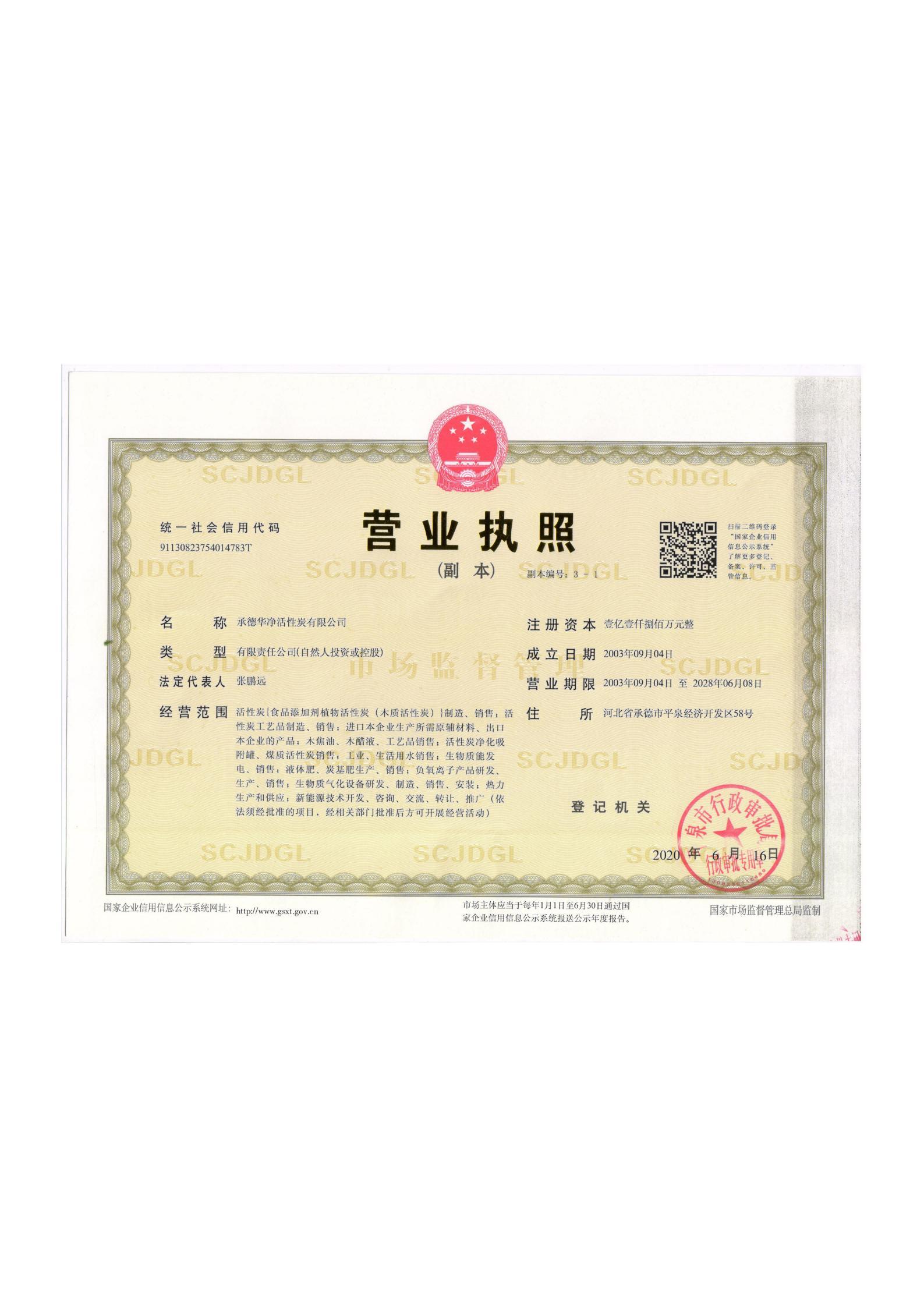
As a leading activated carbon manufacturer with over 20 years of experience and a production base in China, Huajing leverages advanced biomass multiplexing technology to produce high-quality, cost-effective activated carbon that meets all international export standards. We have an in-house R&D center and full quality control system, with an annual output of over 50,000 tons of activated carbon for clients across 30+ countries.
All our activated carbon products are certified to NSF, CE, and food safety standards, and we can provide custom particle sizes, packaging, and formulations to meet your specific project requirements. We offer transparent bulk pricing, fast lead times, and responsive after-sales support for all global clients.
Frequently Asked Questions
Q: Is activated carbon safe for drinking water treatment?
A: Yes, food-grade and NSF-certified activated carbon is completely safe for drinking water treatment when used correctly. It does not leach harmful substances into water, and it is approved by global water safety regulators for residential and municipal applications.
Q: Can activated carbon remove microplastics from water?
A: Yes, high-quality granular activated carbon can effectively remove most microplastic particles from water thanks to its porous structure. 2026 recent studies confirm that activated carbon filtration removes 95% or more of common microplastics from untreated source water.
Q: Can spent activated carbon be reused or recycled?
A: Yes, most granular activated carbon can be thermally regenerated and reused multiple times, which reduces waste and lowers long-term operational costs for industrial clients. Huajing also offers sustainable end-of-life recycling solutions for bulk activated carbon clients.
Q: How do I get a quote for bulk activated carbon from Huajing?
A: You can contact our sales team directly through our official website en.chinahuajing.cn to share your project requirements. We provide free sample testing and a custom quote within 2 working days for all bulk order inquiries.
This article was generated by AI and is for reference only.
Key words:
activated carbon
Related News