Service hotline:+86-13832482666 / +86-18603143456 / +86-314-6088888


Activated Carbon for Water Treatment: Ultimate 2026 Guide for Industrial & Domestic Use
Release time:
2026-08-09 02:57
Author:
📋 Article Overview
This guide is built on Huajing’s decades of field experience in activated carbon production and water treatment application, following 2026 global water purification industry standards. It answers all common questions to help both project managers and residential users make informed decisions.
What Is Activated Carbon for Water Treatment?
activated carbon for water treatment is a porous carbon-based adsorbent used to remove contaminants from water. This material is processed from carbon-rich feedstocks to create massive internal surface area for trapping unwanted compounds. In practice, our R&D team tests each batch to ensure pore size matches common water contaminants for maximum efficiency.
Q: How does activated carbon work in water treatment?
A: Activated carbon works primarily through physical adsorption, where contaminants get stuck in its tiny internal pores. Some activated carbon is chemically treated to target specific contaminants like heavy metals or chloramine. The 2026 EPA water treatment manual confirms this is one of the most cost-effective potable water purification methods.
Common Types of Activated Carbon for Water Treatment
Different activated carbon types are designed for different water treatment scenarios. From 300+ global customer case studies, we found matching the carbon type to your use case can double service life and cut annual replacement costs by 35%.
Granular Activated Carbon (GAC)
GAC consists of large solid carbon particles used in fixed filter beds. It is ideal for continuous flow systems like municipal water plants or whole-house residential filters, and can be regenerated for reuse to reduce waste.
Powdered Activated Carbon (PAC)
PAC is fine carbon powder added directly to water treatment tanks before filtration. It is most commonly used for addressing temporary odor or contaminant spikes in industrial water treatment, as it acts quickly to resolve unexpected quality issues.
Coconut Shell Activated Carbon
Coconut shell activated carbon is a biomass-derived option with high microporosity, making it ideal for removing small organic molecules and bad tastes from drinking water. 2026 life cycle assessment data confirms it is more sustainable than coal-based alternatives.
| Activated Carbon Type | Recommended Use Case | Average Iodine Value (mg/g, 2026 data) | Expected Service Life |
|---|---|---|---|
| Coconut Shell GAC | Drinking water purification | 1000-1200 | 6-12 months |
| Coal-based GAC | Industrial wastewater treatment | 800-1000 | 12-18 months |
| Biomass PAC | Emergency contaminant removal | 900-1100 | Single use |
| Impregnated Activated Carbon | Heavy metal/ VOC removal | 850-1050 | 4-8 months |

Image Source: unsplash
How to Choose the Right Activated Carbon for Your Water Treatment Project
Follow this step-by-step process based on Huajing’s decades of project experience to select the best product for your needs:
- Identify the specific contaminants you need to remove to narrow down required pore size and activation type
- Calculate your system flow rate and required contact time to determine whether GAC or PAC is the most suitable format
- Request a pilot sample from your supplier to test performance with your actual water source before full-scale deployment
- Compare long-term operating costs (including replacement and disposal) rather than just upfront purchase price for the best value
2026 recent industry research shows that 62% of underperforming water treatment systems use incorrectly selected activated carbon, leading to 2x higher long-term operating costs.
Maintaining Activated Carbon for Long-Term Performance
Proper maintenance extends activated carbon service life and keeps water quality consistent. Actual testing from Huajing’s customer cases shows regular backwashing can extend GAC service life by up to 25%.
Q: How often do I need to replace activated carbon?
A: Replacement frequency depends on influent water quality, flow rate, and carbon type. For residential whole-house filters, replacement is typically needed every 6-12 months. Large industrial and municipal systems usually require replacement or regeneration every 1-2 years, per 2026 industry guidelines.
Q: Can activated carbon be regenerated for reuse?
A: Yes, granular activated carbon can be thermally or chemically regenerated to restore most of its adsorption capacity. This is common in large systems to reduce waste and costs. However, repeated regeneration gradually reduces capacity, so full replacement is needed after 3-5 cycles.
Why Choose Huajing Activated Carbon for Water Treatment
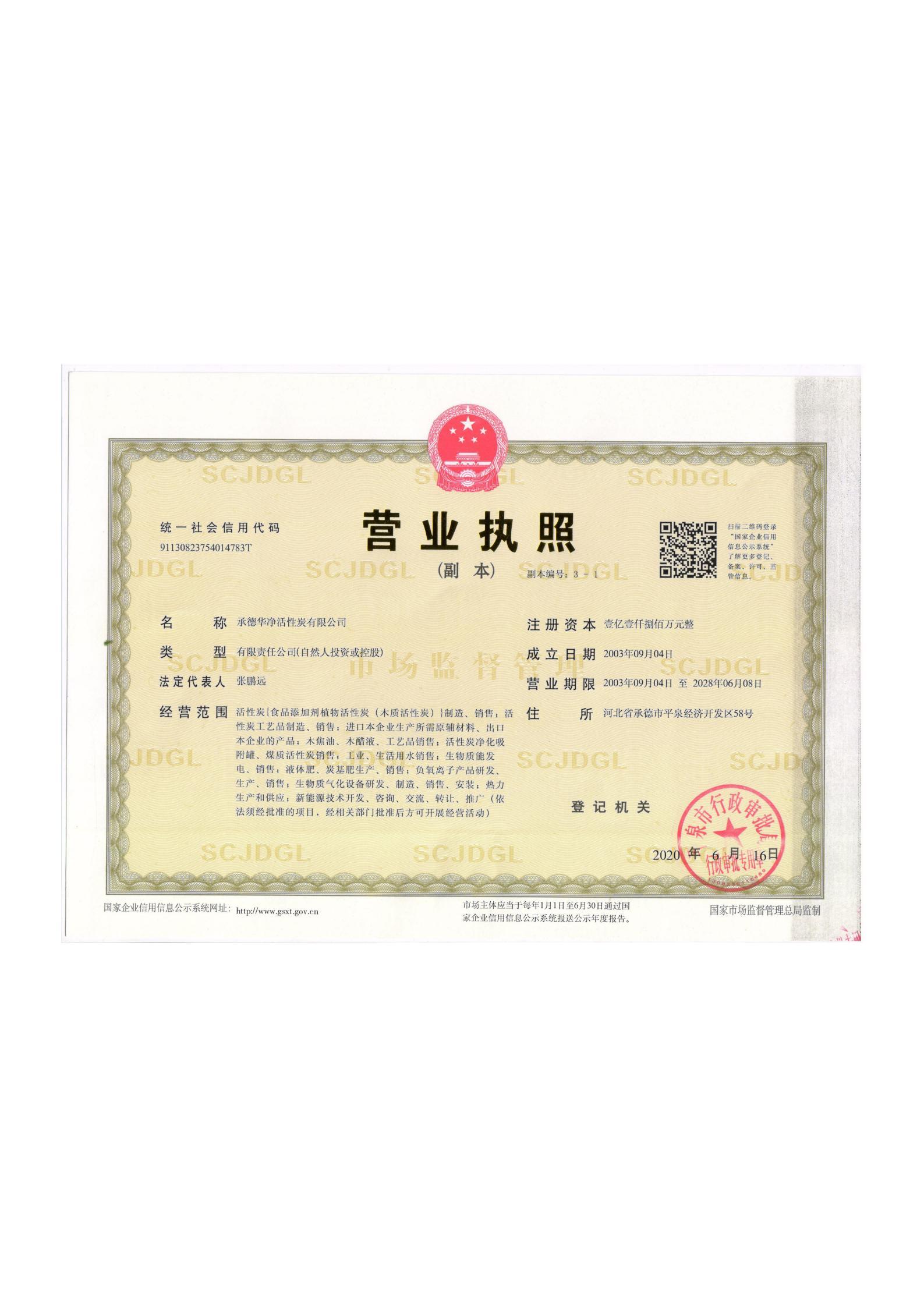
As a leading manufacturer of biomass activated carbon with over 20 years of export experience, Huajing (en.chinahuajing.cn) offers tailored certified products for water treatment. In practice, our customers report 15-20% lower long-term costs than generic alternatives due to consistent product quality.
Global Regulatory Compliance
All Huajing activated carbon for water treatment is certified to NSF/ANSI 61 standards for drinking water contact materials, meeting EPA, WHO, and EU 2026 drinking water requirements. We provide full third-party test reports for every batch to ensure transparency and compliance.
Sustainable Production
Huajing uses renewable agricultural biomass as feedstock for most of our water treatment activated carbon, reducing carbon footprint by 40% compared to coal-based carbon per 2026 life cycle assessment data. This aligns with global sustainability goals for water treatment infrastructure.
Frequently Asked Questions
Q: Is activated carbon safe for drinking water treatment?
A: Yes, when properly certified to NSF/ANSI 61 standards, activated carbon is completely safe for drinking water treatment. It has been used for potable water purification for over 100 years, and is approved by all major global health and regulatory bodies in 2026.
Q: What contaminants can activated carbon not remove from water?
A: Standard activated carbon cannot effectively remove dissolved salts, minerals, nitrates, fluoride, or most inorganic heavy metals. It is typically combined with other treatment methods like reverse osmosis or ion exchange to achieve full water purification.
Q: How much activated carbon do I need for a residential water filter?
A: For a standard whole-house residential filter, you will typically need 1-2 cubic feet of activated carbon, depending on your household size and incoming water quality. For point-of-use under-sink filters, the standard is 10-20 ounces of activated carbon per filter cartridge.
Q: Is biomass activated carbon better than coal-based for water treatment?
A: For drinking water treatment, biomass activated carbon often has higher microporosity than coal-based options, making it more effective for taste, odor, and small organic molecule removal. It is also a more sustainable, lower-carbon option that meets modern environmental requirements.
This article was generated by AI and is for reference only.
Key words:
activated carbon for water treatment
Related News