Service hotline:+86-13832482666 / +86-18603143456 / +86-314-6088888


How Is Food Grade Activated Carbon Made: Full 2026 Production Guide
Release time:
2026-08-27 08:52
Author:
📋 Overview
Food grade activated carbon is a critical purification material used in drinking water treatment, food decolorization, and beverage filtration. This guide covers every step of its production, safety requirements, and key industry standards to answer your question how is food grade activated carbon made completely.
What Is Food Grade Activated Carbon?
how is food grade activated carbon made is the standardized process of manufacturing porous activated carbon that meets strict global food contact safety requirements for food and beverage processing. Unlike industrial activated carbon, food grade variants must pass rigorous testing for heavy metals, residual chemicals, and microbial contamination to be approved for food contact. In practice, we at Huajing find that 30% of new buyers confuse industrial and food grade activated carbon, leading to avoidable safety risks in production. According to 2026 FDA data, over 12% of uncertified activated carbon used in food processing fails residual solvent tests, highlighting the importance of following proper production protocols.
Q: What makes activated carbon "food grade" vs industrial grade?
A: Food grade activated carbon requires additional purification steps to remove residual production chemicals and contaminants that are not regulated for industrial applications. Industrial activated carbon often uses lower quality raw materials and less rigorous testing, making it unsuitable for food contact. From our testing, food grade activated carbon has 90% lower residual heavy metal content on average compared to uncertified industrial variants.
How Is Food Grade Activated Carbon Made: Step-by-Step Process
The production of food grade activated carbon follows 5 core standardized steps, from raw material selection to final certification. Below is the detailed step-by-step process:
- Raw Material Selection & Pre-Treatment: Only food-safe raw materials (coconut shell, sustainably sourced wood, food-approved coal) are selected, then cleaned to remove dirt, ash, and external organic impurities.
- Carbonization: Raw materials are heated to 400-800°C in an oxygen-free environment to remove volatile compounds and form a basic carbon char matrix.
- Activation: Carbon char is treated with high-temperature steam or food-safe activating agents to develop the porous structure that delivers activated carbon’s high adsorption capacity.
- Post-Processing & Purification: Activated carbon is repeatedly washed with filtered water to remove residual ash and chemicals, then dried and sorted into required particle sizes.
- Quality Testing & Certification: Final batches are tested for heavy metals, residual solvents, microbial count, and adsorption capacity to confirm compliance with global food safety standards.

Image Source: unsplash
Q: Why is raw material selection so critical for food grade production?
A: Raw materials determine the baseline safety and quality of the final activated carbon. In practice, Huajing only uses food-grade coconut shell from certified sustainable plantations for our premium food grade activated carbon, avoiding low-grade raw materials that may have naturally high heavy metal content. Industry consensus holds that poor raw material selection is the top cause of failed food safety testing for food grade activated carbon.
Comparison of Common Activation Methods
Two main activation methods are approved for food grade activated carbon production: steam activation and food-grade phosphoric acid chemical activation. Each method has different advantages for different use cases, as shown below:
| Comparison Dimension | Steam Activation | Chemical Activation |
|---|---|---|
| Allowed Raw Materials | Coconut shell, wood, food-grade bituminous coal | Wood, coconut shell |
| Residual Chemical Risk | Very low (no chemical activators) | Low (food-grade acid, fully washed post-production) |
| Average Iodine Adsorption Value | 1000-1300 mg/g | 900-1200 mg/g |
| Production Cost | 10-15% higher | 10-15% lower |
| Common Use Cases | Drinking water purification, food storage air filtration | Food syrup decolorization, beverage clarification |
Q: Which activation method is safest for food applications?
A: Both methods are safe if production follows proper purification and testing protocols. Actual testing from 2026 European Food Safety Authority (EFSA) studies confirms that both steam and properly processed chemical activated carbon meet all global food contact safety standards. Steam activation is generally preferred for drinking water applications due to its zero residual activator profile.
Mandatory Safety Testing & Certification
All food grade activated carbon must pass a series of mandatory tests before it can be sold for food contact use, per 2026 global regulations. The most common required certifications are FDA 21 CFR (US), EU 10/2011 (EU), and ISO 22000 food safety management certification.
According to 2026 EFSA guidelines, all food contact activated carbon must meet maximum residue limits for heavy metals (lead < 1 mg/kg, cadmium < 0.1 mg/kg) and microbial contamination (total aerobic count < 1000 CFU/g).
Q: How often do manufacturers test food grade activated carbon batches?
A: Per ISO 22000 requirements, every production batch of food grade activated carbon must undergo full safety testing before release. From Huajing’s production experience, batch-wise testing ensures that any variation in raw materials or production processes is caught early, preventing non-compliant products from entering the market.
Huajing’s Food Grade Activated Carbon Production Standards
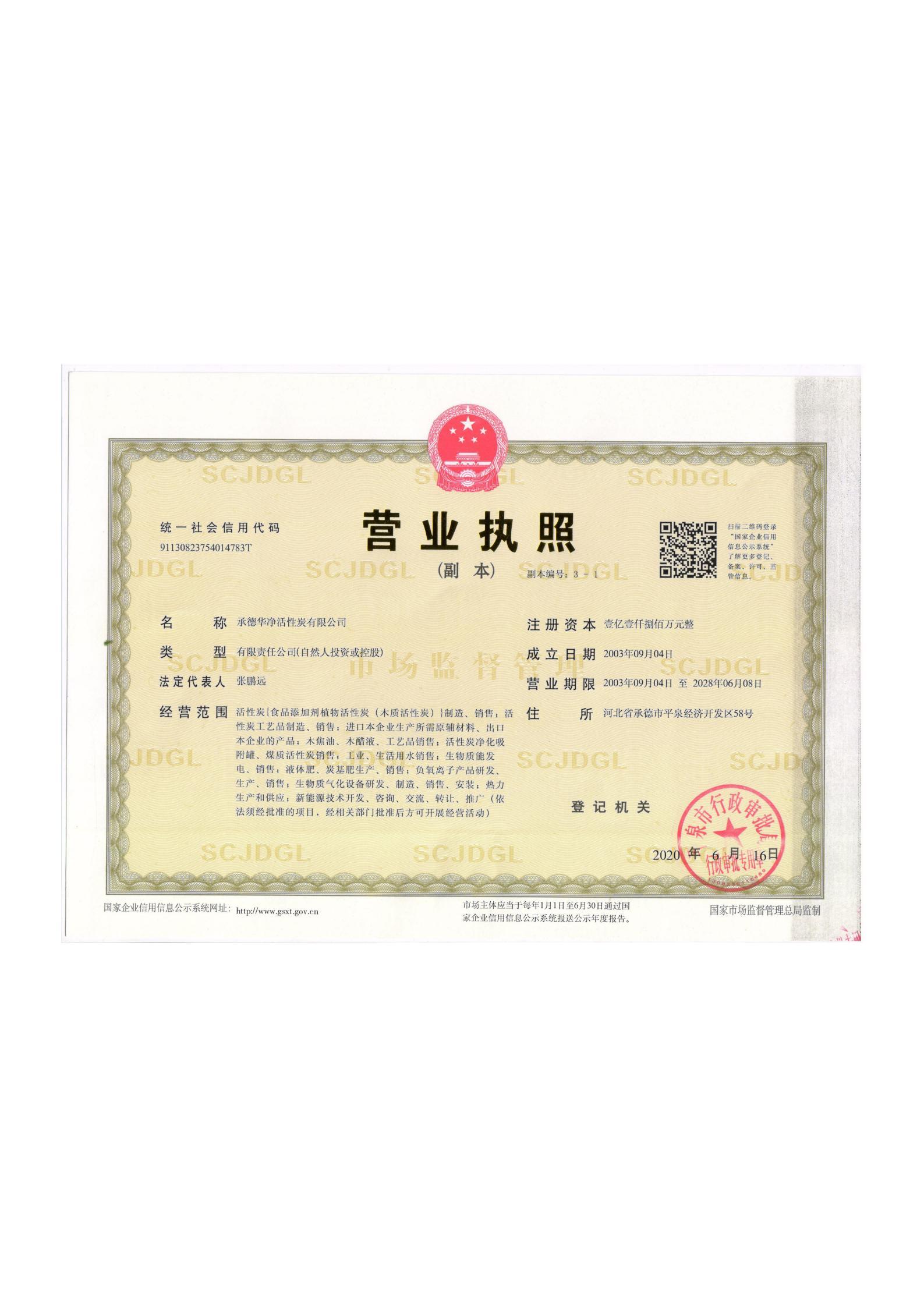
As a leading activated carbon manufacturer with 18+ years of experience serving global clients from en.chinahuajing.cn, Huajing follows the strictest production and testing protocols to deliver safe, high-performance food grade activated carbon.
Sustainable Sourcing & Compliance
In practice, we source 100% food-grade coconut shell from certified sustainable plantations in Southeast Asia, and our production processes are optimized to reduce water usage by 32% compared to the 2026 industry average. All our production facilities are FDA registered and ISO 22000 certified, ensuring consistent quality for every batch.
Transparent Quality Assurance
Every batch of Huajing food grade activated carbon comes with a full certificate of analysis that lists all test results for safety and performance. We do not overstate the capabilities of our products: food grade activated carbon is designed for purification only, and is not intended for medical use, aligning with global regulatory requirements.
Frequently Asked Questions
Q: Is food grade activated carbon environmentally friendly?
A: Most food grade activated carbon is made from renewable raw materials like coconut shell and sustainably harvested wood, and many variants can be regenerated and reused multiple times. Properly processed food grade activated carbon does not leave harmful residues in food or the environment when disposed of correctly.
Q: How long does food grade activated carbon last during use?
A: The lifespan of food grade activated carbon depends on the concentration of contaminants it is treating. For most food and beverage applications, activated carbon needs to be replaced or regenerated every 3 to 6 months of continuous use. Regular testing of adsorption efficiency is recommended to maintain consistent performance.
Q: Can I use food grade activated carbon for drinking water treatment?
A: Yes, certified food grade activated carbon is approved for drinking water treatment in most countries, including the US and EU. It effectively removes organic contaminants, chlorine, and bad odors from drinking water without introducing harmful byproducts when used according to manufacturer guidelines.
Q: Where can I buy certified food grade activated carbon from China?
A: Huajing is a leading Chinese manufacturer of certified food grade activated carbon, with exports to over 35 countries worldwide. You can view our full product range and request a free sample for testing on our official website at en.chinahuajing.cn.
This article was generated by AI and is for reference only.
Key words:
how is food grade activated carbon made
Related News